Unlocking Learning: How Puzzle Games Revolutionize Educational Games for Better Learning Experiences
The Magic of Puzzle Games in Education
Puzzle games have long captured the hearts and minds of players across the globe. But have you ever thought about how these games can transform our approach to learning? By engaging the brain in captivating ways, puzzle games enhance cognitive functions, problem-solving skills, and even teamwork among players. This evolution is what makes them an incredible tool in the realm of educational games.
Why Puzzle Games Work
Understanding the mechanics behind puzzle games helps us appreciate their potential in education. Here’s a quick breakdown:
| Key Feature | Educational Benefit |
|---|---|
| Challenge | Stimulates critical thinking and perseverance. |
| Progression | Encourages incremental learning and retaining information. |
| Engagement | Increases motivation and keeps players invested in their learning journey. |
| Social Elements | Promotes teamwork and communication among participants. |
How Educational Games Are Evolving
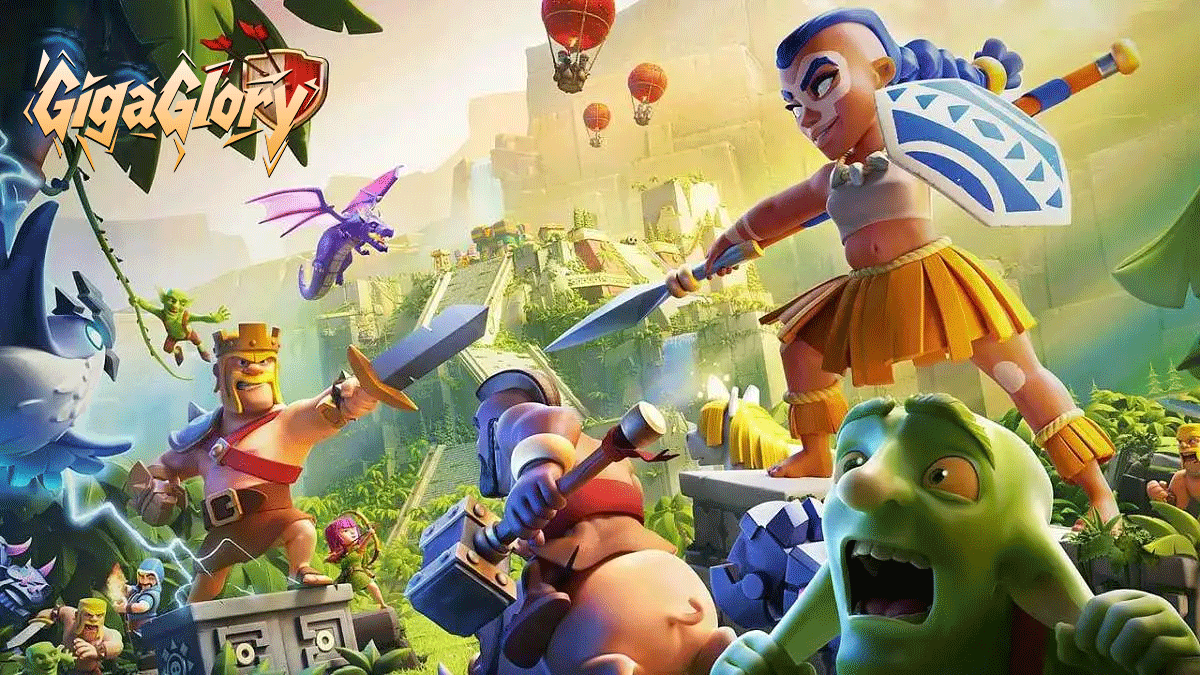
Educational games are no longer mundane and overly structured templates. The integration of puzzle mechanics into educational games brings a breath of fresh air. Think about games like base defense clash of clans, where strategy and resource management keep players on their toes. By incorporating variety and excitement, students are much more likely to embrace learning!
Examples of Learning Through Play
When players immerse themselves in RPG games like dungeons and dragons, they aren't just having fun. They're enhancing their understanding of narrative structure, character development, and even basic math through stats and probability. Here are more instances of educational benefits derived from gaming:
- Language development through dialogue and storytelling.
- History and culture elements embedded within game layers.
- Creative problem solving when encountering obstacles.
- Improved spatial awareness and strategy through intricate puzzles.
Conclusion: Embracing the Future of Learning
In conclusion, puzzle games are not just a form of entertainment; they are a powerful means of creating engaging educational experiences. By linking fun with learning, they unlock the potential for deeper understanding and retention of valuable skills. The future of education may very well depend on how adeptly we can harness these interactive and imaginative tools. Let's encourage the integration of these delightful puzzle dynamics into our educational systems, paving the way for a brighter, more effective learning environment!